



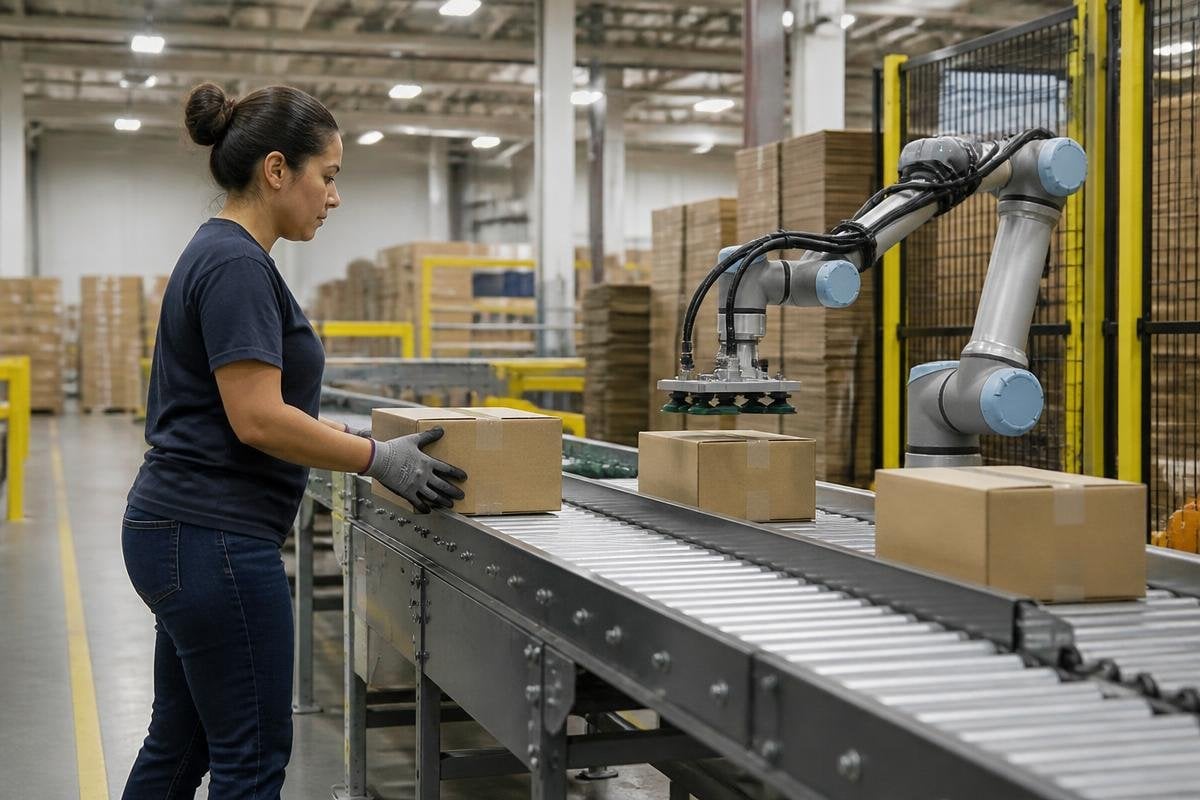
A robot can take over a task long before it takes over a whole job. That gap matters to the worker whose hours change, and to the public trying to understand what automation is doing inside a company.
Quick read
- Tell workers before a robot changes their role or schedule.
- Name the task, site, timing, and expected effect.
- Pair the notice with training, reassignment, or severance details.
Disclosure should start with the task
“Robots are coming” tells people very little. A useful notice says which task will change, where the system will run, when the change starts, and which roles may feel the effect.
That level of detail helps workers ask practical questions. Will the robot move boxes while a person checks exceptions? Will one technician support several systems? Will shifts change because the machine can run at night?
The notice should also state what the company has decided and what remains open. A plan to test a robot is different from a signed purchase order, and a purchase order is different from a system running beside paid staff.
This distinction keeps a pilot from being presented as a final staffing plan. It also gives workers time to prepare for changes that may still be under review.
Timing matters as much as content
A notice after layoffs is too late to help the people affected. Companies should share the plan before installation or training begins, while workers can still ask for other roles and learn the system.
The right point may differ by workplace. A small robot used for one repeated lift can call for a short team briefing. A system that changes staffing across a site needs a written plan, a named contact, and regular updates as the work changes.
That public record can show whether a staffing change came from a pilot, a full rollout, or a safety update. A report from Robot 24 can place the company’s statement beside the named robot, work site, date, and job affected. Those details give workers and investors something they can check without exposing private records.
A company does not need to publish trade secrets or release personal details about workers. It can protect customer data, technical drawings, and contract terms while still explaining the effect on jobs.
The line is simple: protect sensitive information, but don’t hide a workforce change behind vague language. “Automation project” can cover a software update, a new conveyor, or the removal of a shift. Those choices carry different costs for workers.
The strongest opposing view is that early disclosure can create fear before a pilot proves useful. That concern deserves a response, yet silence leaves workers with fewer choices and makes later announcements harder to trust.
I think companies should disclose planned job changes before the robot enters regular work, even when the final staffing count is still open.
What a responsible notice includes
A clear statement should cover more than the robot’s model or purchase price. Workers need the human side of the change in plain language: the task the system will perform and the work people will still do; the test, installation, and operating dates; the job groups or shifts under review; approved training, reassignment, reduced hours, or severance terms; and the person who will check safety, output, and staffing before wider use.
This format also helps managers spot gaps in their own plan. If nobody can explain who checks a failed pick or stops a moving arm, the staffing change is not ready for a public statement.
A decision guide for managers
Use this check before announcing a robotics project:
- Identify the human task that will change.
- Mark the plan as a test, approved rollout, or operating system.
- List the roles, shifts, and site areas under review.
- Set a date for the next workforce update.
- Name the person who answers worker questions.
- State what information the company will keep private and why.
A company may later decide that a robot cannot meet its safety or output target. The disclosure still had value because workers received time, detail, and a clear person to contact before the decision became a job change.