



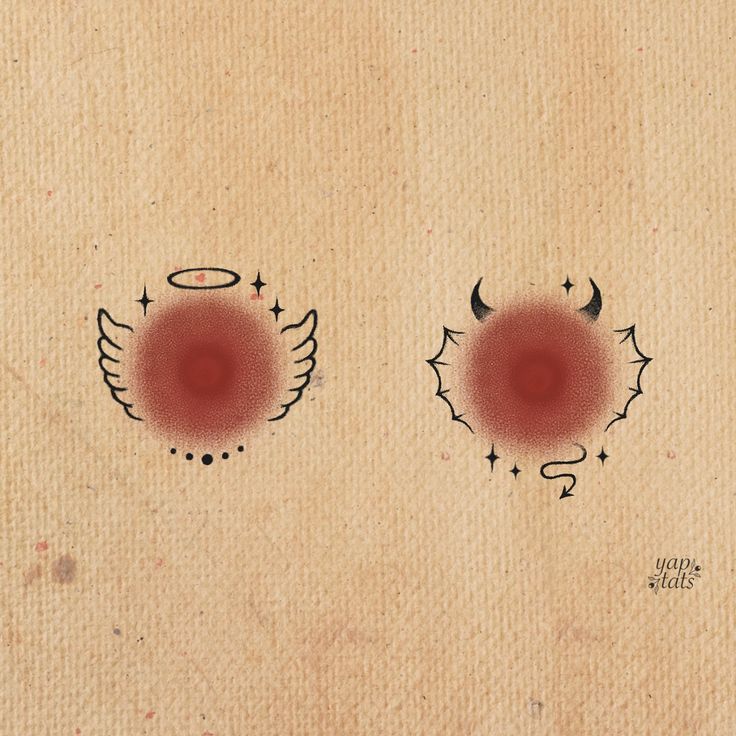
For individuals completing breast reconstruction after a mastectomy, choosing an aesthetic flat closure, or finishing gender-affirming chest surgery, restoring the nipple and areola is often the final, deeply meaningful step toward feeling whole again. Over the past two decades, restorative micropigmentation has evolved significantly—moving from early traditional (flat) 3d areola jonesboro to hyper-realistic 3D nipple and areola tattoos.
While both procedures aim to restore the visual presence of the nipple-areola complex without additional surgery, they differ substantially in artistic technique, pigment formulation, visual realism, and practitioner specialization. Understanding these differences helps patients choose an approach that delivers natural, confidence-restoring results.
What Is a Traditional Areola Tattoo?
Early medical nipple tattooing—often performed in clinical offices using basic permanent makeup devices or adapted traditional tattoo equipment—approached nipple restoration as a straightforward two-dimensional color fill.
-
Flat, Monochromatic Shading: Traditional methods typically relied on a single uniform shade of pink or brown to fill a circular outline, with a slightly darker circle in the center to represent the nipple.
-
Defined Borders: Many older tattoos featured crisp, noticeable circular edges rather than soft transitions into the surrounding breast skin.
-
Limited Anatomical Detail: Subtle biological features such as sebaceous glands, freckling, and directional light reflection were rarely incorporated, often leaving the finished tattoo looking flat or stamped on rather than part of living tissue.
What Is a 3D Nipple and Areola Tattoo?
A 3D nipple and areola tattoo—also known as advanced paramedical nipple micropigmentation—applies fine-art principles of perspective, directional lighting, and custom pigment chemistry to create a lifelike optical illusion of physical depth and texture on smooth, flat skin.
-
Directional Light and Cast Shadows: Rather than using flat color, a trained paramedical artist establishes a consistent overhead light source—stippling pale ivory, warm cream, or peach highlights along the upper ridge of the simulated nipple (papilla) and shading soft cast shadows directly underneath to trick the human eye into perceiving forward projection.
-
Edge-Free Stippling: Using ultra-fine single needles (1RL) or tight three-needle groupings (3RL), the artist deposits thousands of microscopic pigment dots that feather outward, allowing the areola’s perimeter to dissolve organically into surrounding breast skin.
-
Anatomical Micro-Texturing: Realistic details such as tiny raised-looking Montgomery glands, subtle vascular tones, and faint, asymmetrical freckling are built into the design so the tattoo looks natural up close as well as in a mirror.
Side-by-Side Comparison
Key Technical Differences That Affect Final Results
1. Color Theory and Undertone Neutralization
Human skin is semi-translucent, acting like a tinted filter over implanted pigment. Reconstructed breast mounds and radiation-treated tissue frequently carry cool, bluish, or pale grayish undertones. Traditional single-bottle inks often healed cold, ashy, or slate-gray beneath post-surgical skin. In contrast, 3D paramedical specialists formulate custom multi-tone palettes enriched with warm color modifiers (such as muted golden ochre, soft coral, or terracotta) and calibrate shades across all Fitzpatrick skin types—matching a remaining natural breast in unilateral cases or harmonizing with natural body cues in bilateral restorations.
2. Scar Tissue Integration
Mastectomy incisions frequently cross the center or outer border of the breast mound. Traditional flat tattoos often struggled to cover dense scar collagen evenly, leaving pale incision lines visible through the pigment. 3D paramedical artists adjust needle depth and layer warmer, higher-opacity pigments directly over central scars while feathering skin-toned camouflage stippling along incisions extending past the areola’s edge.
3. Updating or Correcting an Older Traditional Tattoo
Many patients who received a flat or faded traditional areola tattoo years ago seek out 3D paramedical specialists for a corrective cover-up or enhancement. By neutralizing cool bluish-gray undertones with warm modifiers, softening harsh borders with pixelated stippling, and layering directional highlights and cast shadows over the existing pigment, an experienced artist can transform a flat tattoo into a dimensional, natural-looking result.
What to Expect From Procedure to Healing
Regardless of whether you are starting fresh or updating an older tattoo, modern 3D nipple restoration follows a gentle, structured process:
-
Timing and Clearance: Wait at least 6 to 12 months after your final reconstruction surgery, revision, or radiation therapy—and obtain written medical clearance—so swelling has resolved and scar tissue has matured.
-
Upright Mapping and Comfortable Session: Your artist measures symmetry while you sit or stand upright in front of a mirror, applies topical numbing cream, and completes the session in 1 to 2 hours (one side) or 2 to 3 hours (both sides).
-
Healing and Touch-Up: Fresh pigment appears 20% to 40% darker immediately afterward due to surface oxidation before softening into lifelike 3D depth over 6 to 8 weeks. A scheduled refinement touch-up at 6 to 8 weeks locks in highlights and scar coverage, with results typically lasting 3 to 5 years when protected with broad-spectrum SPF 30+ sunscreen.